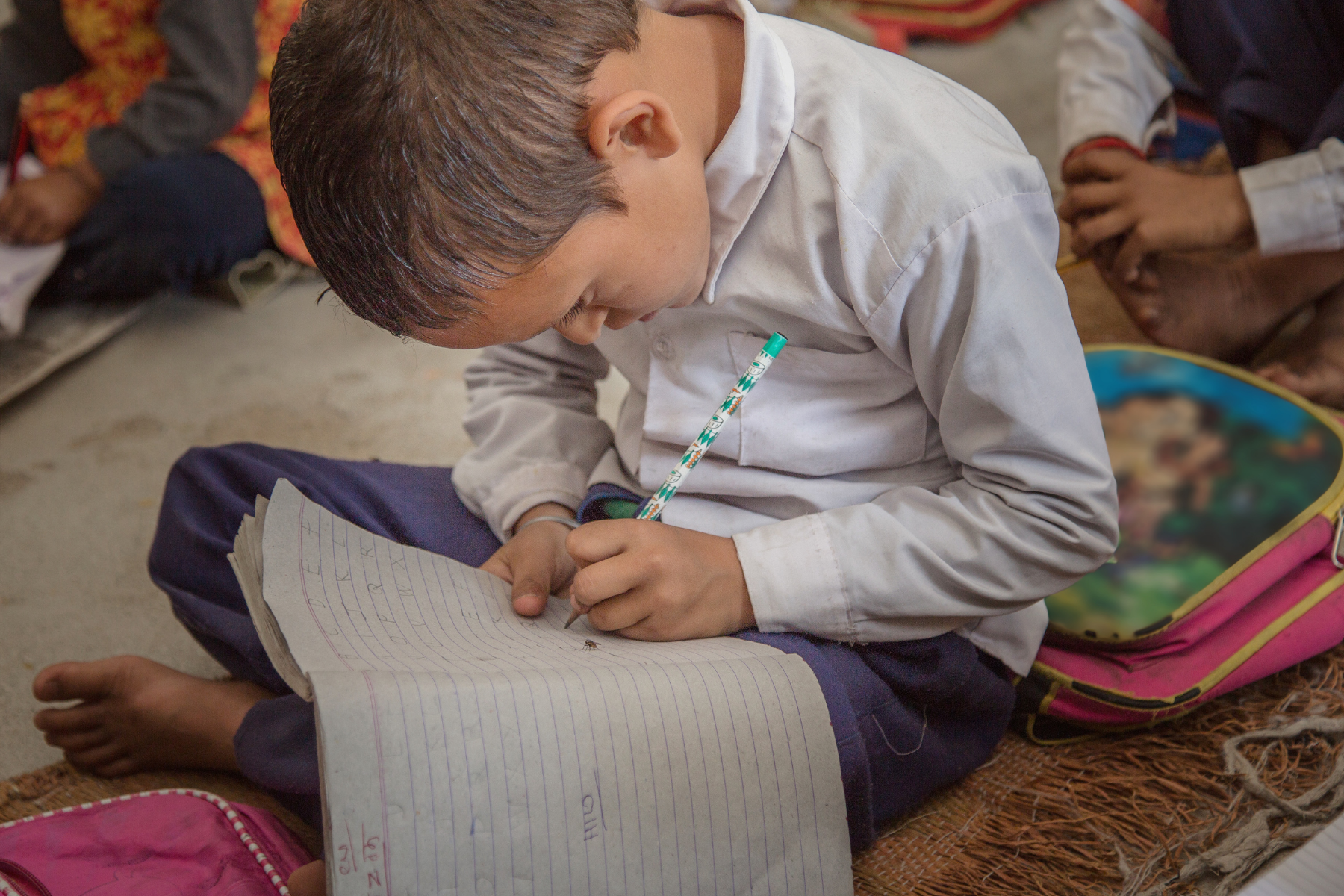
Importance of Education
According to UNICEF, Pakistan has the world’s second-highest population of children who are not enrolled in school. Approximately 22.8 million children between the ages of five and sixteen currently do not attend school, representing 47% of the country’s children in this age group. An estimated 5 million children between the ages of five and nine do not attend primary school, and the number of out-of-school children nearly doubles among older children, with 11.4 million adolescents between the ages of ten and fourteen not receiving a formal education. Significant disparities exist based on gender, socioeconomic status, and geography. In Sindh, 52% of the poorest children, including 58% of girls, do not attend school.
This lack of access to formal education places nearly half of the future generation at a significant disadvantage, limiting their ability to improve their own quality of life and that of their families and communities.
According to the 18th Amendment to the Constitution of Pakistan, education is a fundamental right for all children, regardless of their financial circumstances. However, despite this constitutional right, lower- and middle-income families continue to face significant barriers to accessing quality education, while children in rural areas face even greater challenges.